Physical Address
304 North Cardinal St.
Dorchester Center, MA 02124


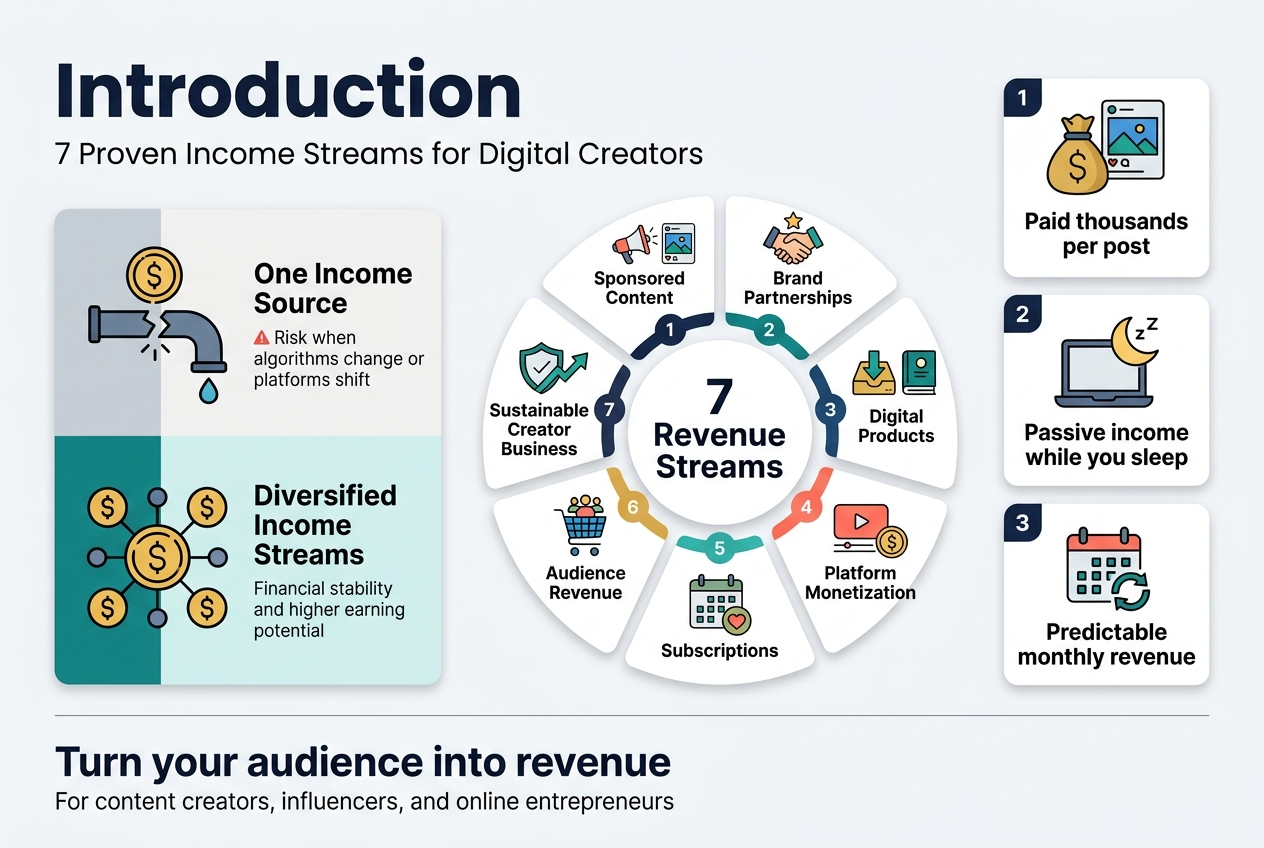
Most digital creators rely on just one or two revenue sources, leaving money on the table and risking their entire income when algorithms change or platforms shift. Smart creators diversify their earnings across multiple income streams to build financial stability and maximize their earning potential.
This guide is for content creators, influencers, and online entrepreneurs who want to stop depending on a single income source and start building a sustainable creator business. You’ll learn how to turn your audience into revenue through seven proven income streams every digital creator should develop.
We’ll cover the goldmine of sponsored content and brand partnerships that can pay thousands per post, plus how to create and sell digital products that generate passive income while you sleep. You’ll also discover platform-specific monetization features you might be missing and why subscription income creates the most predictable monthly revenue for creators.
Your audience is your most valuable asset when pitching to brands. Companies don’t just want followers—they want engaged communities that trust your recommendations. Start tracking your engagement rates, demographics, and audience insights to build a compelling case for higher rates.
Premium brands pay premium prices for creators who deliver real results. Focus on quality metrics over vanity numbers. A creator with 10,000 highly engaged followers often commands better rates than someone with 100,000 passive followers. Document your audience’s purchasing behavior, comment quality, and how they interact with sponsored content.
Research what other creators in your niche charge and position yourself accordingly. If you consistently deliver strong performance metrics, don’t be afraid to raise your rates. Many creators undervalue their influence and settle for rates far below their worth.
One-off sponsorships pay the bills, but ongoing partnerships build wealth. Brands prefer working with creators they trust, and long-term relationships often come with better compensation, creative freedom, and exclusive opportunities.
Start by identifying brands that align naturally with your content and values. Authentic partnerships perform better and feel less forced to your audience. When you genuinely use and love a product, your recommendations carry more weight.
Deliver exceptional value on every collaboration. Meet deadlines, exceed content requirements, and provide detailed performance reports. Brands remember creators who make their jobs easier. This professional approach often leads to renewed contracts and referrals to other companies.
Maintain regular communication even between campaigns. Share your content calendar, upcoming projects, and audience insights. Position yourself as a marketing partner, not just a content creator.
Professional media kits separate serious creators from hobbyists. Your media kit should showcase your best work, audience demographics, engagement rates, and previous campaign results. Include testimonials from past brand partners and case studies showing tangible results you’ve delivered.
Track every metric that matters to brands: reach, impressions, clicks, conversions, and audience sentiment. Use tools like Google Analytics, native platform insights, and UTM codes to provide concrete data. Brands pay more when they can see clear ROI from your partnerships.
Don’t accept the first offer. Most brands expect negotiation and often have room to increase their initial proposal. Counter with specific reasons why you deserve higher compensation, backed by your performance data and market research.
Consider negotiating beyond just payment. Ask for usage rights compensation, exclusivity fees, or performance bonuses tied to specific metrics. Some creators also negotiate for free products, early access to launches, or invitations to exclusive events.
Smart creators don’t rely on just one type of sponsorship. Diversifying your partnership portfolio protects your income and opens new revenue opportunities.
Traditional sponsored posts remain the foundation, but explore these additional partnership types:
Each partnership type serves different purposes and appeals to different brands. Fashion brands might prefer traditional posts, while tech companies often favor detailed review series. B2B brands frequently seek thought leadership content rather than product showcases.
Mix high-paying one-time deals with steady recurring partnerships. This approach provides both immediate income and long-term financial stability while keeping your content fresh and diverse.
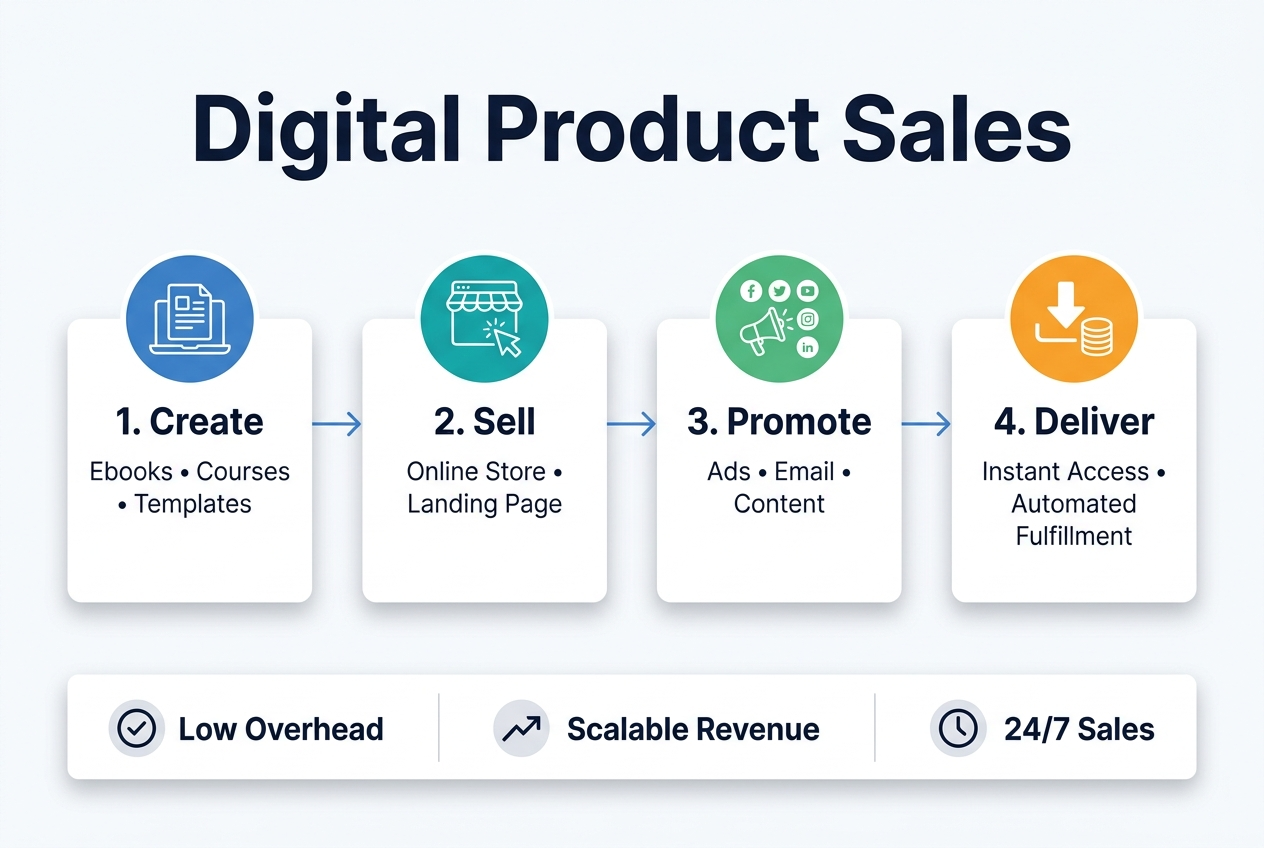
Online courses represent one of the most scalable digital products you can create. Your unique knowledge and experience become the foundation for educational content that sells while you sleep. The key is identifying what you already know that others want to learn.
Start by surveying your audience about their biggest challenges. Look at the questions you get asked repeatedly – these pain points are goldmines for course topics. Whether you’re a photographer teaching composition techniques or a marketer sharing conversion strategies, your specialized knowledge has value.
Structure your course with clear learning outcomes. Break complex topics into digestible modules with actionable assignments. Include video lessons, downloadable resources, and interactive elements like quizzes or worksheets. Students pay premium prices for transformation, not just information.
Price your courses based on the value they provide, not the time it took to create them. A course that helps someone start a profitable side business can command $497 or more, while basic skill-building courses might start at $97. Bundle multiple courses or add coaching calls for higher-tier pricing.
Ebooks offer a lower barrier to entry than courses while still providing significant value to your audience. They’re perfect for capturing leads, establishing authority, and generating passive income. The beauty of ebooks lies in their versatility – they can serve multiple purposes in your business ecosystem.
Choose topics that solve specific problems your audience faces. A comprehensive guide works better than surface-level content. Think “The Complete Guide to Email Marketing for Small Businesses” rather than “Email Marketing Tips.” Your ebook should be the go-to resource people bookmark and reference repeatedly.
Focus on actionable content with step-by-step processes, templates, and real examples. Include checklists, worksheets, and bonus materials to increase perceived value. Professional design matters – invest in attractive covers and clean formatting that makes your content easy to consume.
Distribute through multiple channels: your website, Amazon Kindle, and other platforms. Price ebooks between $9.99 and $49.99 depending on length and depth. Consider offering a free chapter as a lead magnet to build your email list before launching the full version.
Templates and digital tools solve immediate problems for busy professionals who need quick solutions. These products often have the highest profit margins because they’re created once but sold repeatedly. Think Canva templates, spreadsheet calculators, or planning worksheets.
Identify repetitive tasks in your industry that people struggle with. A social media manager might create content calendar templates, while a business coach could develop goal-setting worksheets. The more specific to your niche, the more valuable these tools become.
Create professional-looking designs that work across different platforms. Canva templates should be easily customizable, spreadsheets need clear instructions, and planning tools require intuitive layouts. Include brief tutorials or setup guides to reduce customer support needs.
Package related templates together for higher-value bundles. A wedding planner might offer a complete client management system with contracts, timelines, and checklists. Price individual templates at $15-30, while comprehensive bundles can sell for $97-197. Market these tools as time-savers that pay for themselves with the first use.
Building a successful affiliate marketing strategy starts with authenticity. Your audience follows you because they trust your recommendations, and breaking that trust for a quick commission check will hurt your long-term earning potential. Only partner with brands whose products you actually use in your daily life or work.
When you promote something you’ve tested personally, your content naturally becomes more compelling. You can share specific details about how the product solved a problem for you, mention unexpected benefits you discovered, or honestly discuss any limitations. This genuine experience translates into more persuasive content that converts better than generic promotional copy.
Before accepting any affiliate partnership, spend time with the product. If it’s software, use the free trial extensively. If it’s a physical product, purchase it yourself if possible. Document your experience – take screenshots, notes, or photos that you can reference later in your content.
Not all affiliate programs are created equal. Some offer higher commission rates, others provide better conversion rates, and many fall somewhere in between. Research potential programs by looking at commission structures, cookie duration, payment terms, and the company’s reputation among other affiliates.
| Program Type | Typical Commission | Cookie Duration | Best For |
|---|---|---|---|
| SaaS Tools | 20-50% recurring | 30-90 days | Tech creators |
| Digital Courses | 30-50% | 30-60 days | Educational content |
| Physical Products | 3-8% | 24 hours – 7 days | Lifestyle creators |
| Web Hosting | $50-200 per sale | 60-90 days | Tech/business creators |
Look for programs that offer marketing materials, dedicated affiliate managers, and transparent reporting dashboards. Companies that invest in supporting their affiliates usually see better results for everyone involved.
The key to successful affiliate marketing lies in seamless integration. Your affiliate promotions should feel like natural recommendations rather than obvious sales pitches. Weave product mentions into tutorials, case studies, resource lists, and problem-solving content.
Create content around problems your affiliate products solve rather than focusing on the products themselves. For example, instead of “Review: XYZ Email Tool,” write “How I Cut My Email Marketing Time in Half” and naturally mention the tool as part of your solution.
Use various content formats to promote affiliates:
Data drives successful affiliate marketing. Most affiliate programs provide basic analytics, but savvy creators track additional metrics to understand what really works. Use UTM parameters in your links to see which pieces of content, social platforms, or email campaigns generate the most conversions.
Create a simple spreadsheet to track:
Test different approaches regularly. Try promoting the same product through a video review, a written tutorial, and an Instagram story series. Compare the results and double down on what works best for your audience. Some creators find their audience responds better to subtle mentions, while others succeed with direct product spotlights.
Regular optimization means pruning underperforming partnerships and focusing energy on affiliates that consistently deliver results. This strategic approach transforms affiliate marketing from random product mentions into a reliable income stream.
Creating a paywall strategy transforms your best content into a premium offering that dedicated followers will happily pay for. Start by identifying your most valuable content – this could be in-depth tutorials, early access to videos, extended podcast episodes, or behind-the-scenes footage that your audience consistently requests.
The key is establishing a clear value proposition between your free and paid content. Your free content should still provide genuine value while serving as a preview of the premium experience. Think of it as offering appetizers that make people crave the main course.
Popular paywall platforms include Patreon, Substack, OnlyFans (for various content types), and Memberful. Each platform has different fee structures and features, so choose based on your content type and audience preferences. Some creators even use multiple platforms to diversify their revenue streams.
Price your premium content strategically. Research what similar creators charge and consider offering multiple tiers – perhaps $5 for basic premium access and $15 for everything including direct messaging privileges. This tiered approach captures different segments of your audience based on their budget and engagement level.
Monthly memberships create predictable income that helps you plan and invest in better content creation. Unlike one-time purchases, membership models build long-term relationships with your most engaged fans who want ongoing access to your expertise and creativity.
Design membership tiers that scale with value. A basic tier might include ad-free content and monthly Q&As, while higher tiers could offer one-on-one video calls, custom content requests, or physical merchandise. The beauty of this model lies in its scalability – you create the framework once and let it generate revenue month after month.
Retention is crucial for membership success. Keep members engaged with consistent value delivery, regular communication, and exclusive perks they can’t get elsewhere. Send monthly newsletters, host member-only live streams, or create private Discord servers where members can interact with you and each other.
Consider offering annual payment discounts to improve cash flow and reduce churn. Many creators offer two months free when members pay annually, which benefits both parties – you get cash upfront and they save money.
Building an exclusive community around your brand creates significant value beyond just content access. Your most dedicated followers want to connect with like-minded people and have direct access to you as a creator. This sense of belonging often justifies higher subscription prices than content alone.
Create different community experiences based on membership levels. Basic members might access a general Discord server or Facebook group, while premium members get smaller, more intimate spaces with regular creator interaction. VIP tiers could include monthly video hangouts, priority responses to questions, or even in-person meetups for local members.
Perks extend beyond digital access. Consider offering branded merchandise, early product launches, exclusive discount codes for your other offerings, or partnerships with other creators in your network. Some successful creators provide monthly care packages, signed prints, or personalized video messages.
The community management aspect requires consistent effort but pays dividends in member loyalty and word-of-mouth marketing. Engaged community members become your best advocates, often bringing in new subscribers through their enthusiasm and recommendations.
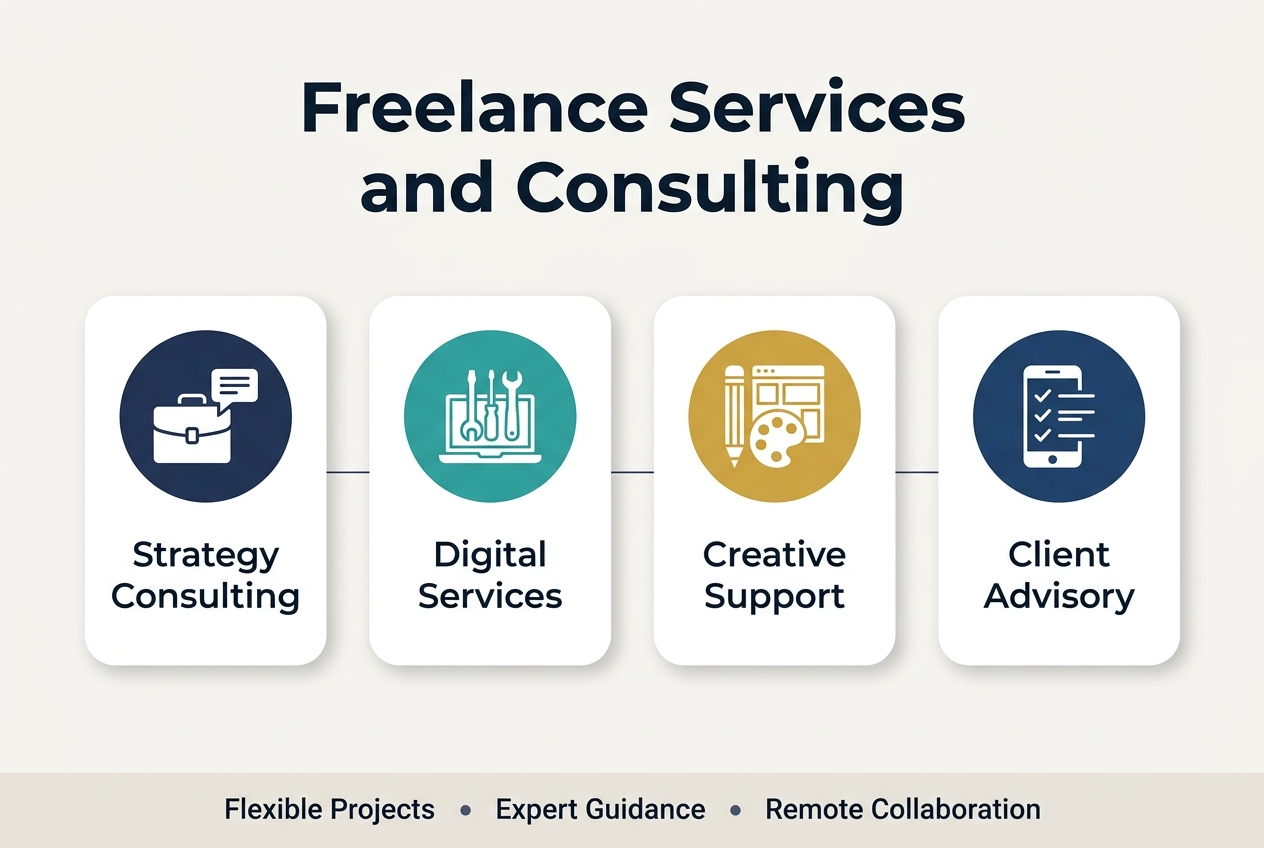
Your creative expertise doesn’t have to stay locked within your content creation. Many digital creators overlook the goldmine sitting right under their noses – their specialized skills. Whether you’re a photographer who creates stunning Instagram content, a writer crafting engaging blog posts, or a video creator producing compelling YouTube videos, businesses need exactly what you already know how to do.
The beauty of freelance work lies in its immediate income potential. Unlike waiting for ad revenue to build or affiliate commissions to roll in, client work pays upfront. Start by identifying what services align with your existing skill set. Video creators can offer editing services, social media managers can handle brand accounts, and photographers can shoot product photos or headshots.
Platforms like Upwork, Fiverr, and Freelancer provide easy starting points, but don’t stop there. Your existing audience becomes your best lead generation tool. Share behind-the-scenes content showing your process, post case studies of successful projects, and let your followers know you’re available for hire. Many creators find their most lucrative clients come from their own community.
Your journey as a digital creator has taught you valuable lessons that others desperately want to learn. Those struggles you faced growing your first 1,000 followers? Someone else is facing them right now and willing to pay for your guidance. Coaching transforms your experience into a premium service.
One-on-one sessions command higher rates than group offerings because of the personalized attention. You can charge anywhere from $100 to $500+ per hour depending on your expertise and results. The key is positioning yourself as someone who’s walked the path and can help others avoid common pitfalls.
Structure your coaching around specific outcomes. Instead of offering generic “social media help,” create focused sessions like “Instagram Growth Intensive” or “Content Strategy Blueprint.” This specificity makes it easier for potential clients to understand the value and justify the investment.
Use tools like Calendly for scheduling and Zoom for delivery. Many creators start with 60-minute sessions but find that 90 minutes allows for deeper dives into strategy and implementation. Package multiple sessions together for higher-value deals and better client results.
Individual services can become time-consuming and limit your earning potential. Smart creators bundle their offerings into packages that deliver more value while reducing the time spent on each client. Think of packages as your greatest hits album – you’re combining your best services into one compelling offer.
Create tiered packages that cater to different budgets and needs:
| Package Level | Services Included | Typical Price Range |
|---|---|---|
| Starter | Strategy call + content audit | $297-$497 |
| Growth | Strategy + 30-day content plan + 2 check-ins | $797-$1,297 |
| Premium | Full strategy + content creation + monthly optimization | $1,997-$3,997 |
Packages work because they solve complete problems rather than addressing symptoms. Instead of selling just Instagram post design, offer a complete visual branding package including posts, stories, highlights, and brand guidelines. This approach increases your average project value while providing clients with everything they need.
The secret sauce is creating packages you can partially systemize. Develop templates, checklists, and processes that allow you to deliver consistent quality without starting from scratch each time.
Your growing audience and proven results become powerful pricing leverage. As your follower count increases and your content consistently performs well, you’re not just another freelancer – you’re a creator with demonstrated expertise and social proof.
Document your wins religiously. Screenshot engagement rates, save positive comments, track growth metrics, and collect client testimonials. This portfolio of proof allows you to charge 2-3x what newcomers charge for similar services. Potential clients aren’t just buying your time; they’re buying access to someone who clearly knows how to create engaging content.
Don’t be afraid to raise your rates regularly. Many creators undercharge because they remember when they were starting out. Your rates should reflect your current skill level and demand, not where you were six months ago. If you’re booking solid for weeks in advance, your rates are probably too low.
Position yourself as an expert in your niche rather than a generalist. A TikTok creator who specializes in food content can charge more for restaurant consulting than someone who creates general lifestyle content. Your unique angle and proven results in that space make you irreplaceable rather than just another option.
YouTube remains the gold standard for video creators looking to monetize their content directly through the platform. The YouTube Partner Program kicks in once you hit 1,000 subscribers and 4,000 watch hours, opening doors to ad revenue sharing. Creators typically earn between $1-5 per 1,000 views, though this varies dramatically based on your audience demographics and niche.
Channel memberships offer a more predictable income stream. Viewers pay monthly fees (starting at $4.99) for perks like exclusive badges, emojis, and members-only content. Gaming creators and educational channels see particularly strong membership adoption rates. The key is providing genuine value that makes subscribers feel part of an exclusive community.
Smart creators layer these revenue streams by creating membership tiers. Basic members might get early video access, while higher-tier supporters receive monthly Q&A sessions or behind-the-scenes content. This approach can generate $500-5,000+ monthly for channels with engaged audiences of 10,000+ subscribers.
TikTok’s monetization landscape has evolved rapidly, offering creators multiple ways to earn directly on the platform. The Creator Fund pays based on video performance, typically ranging from $0.02-0.04 per 1,000 views. While these amounts seem small, viral content can generate meaningful income.
Live gifting presents more lucrative opportunities. During live streams, viewers purchase virtual gifts ranging from $0.05 to $500. Creators keep roughly 50% of gift values, with top live streamers earning thousands per session. Music creators, gaming personalities, and lifestyle influencers often see the highest gifting rates.
The platform also introduced TikTok Shop, allowing creators to sell products directly through videos. Commission rates vary by category, but fashion and beauty creators report earning 5-20% on sales they generate. Success requires authentic product integration rather than obvious sales pitches.
Building TikTok revenue takes consistency and audience engagement. Creators who post daily and respond to comments typically see higher earning potential across all monetization features.
Instagram’s creator monetization has expanded beyond traditional brand partnerships. The Reels Play Bonus program (currently invite-only) pays creators based on reel performance, with payments ranging from $1-1,200 per month depending on view counts and engagement.
Instagram Shopping transforms your profile into a digital storefront. Creators can tag products in posts and stories, earning commissions on sales. Fashion and home decor creators particularly benefit, with successful accounts generating $1,000-10,000+ monthly through shopping features.
The Creator Fund and shopping work beautifully together. A reel showcasing a morning routine can include shoppable product tags, while the reel itself earns bonus payments. This dual-monetization approach maximizes income from each piece of content.
Badge purchases during live streams provide another revenue stream. Viewers buy badges ($0.99-4.99) to support creators, with Instagram taking a small percentage. Food creators and fitness instructors often see strong badge sales during cooking demonstrations or workout sessions.
Success on Instagram requires understanding your audience’s shopping behavior. Beauty creators might focus on affordable skincare, while travel influencers could promote premium luggage and accessories.
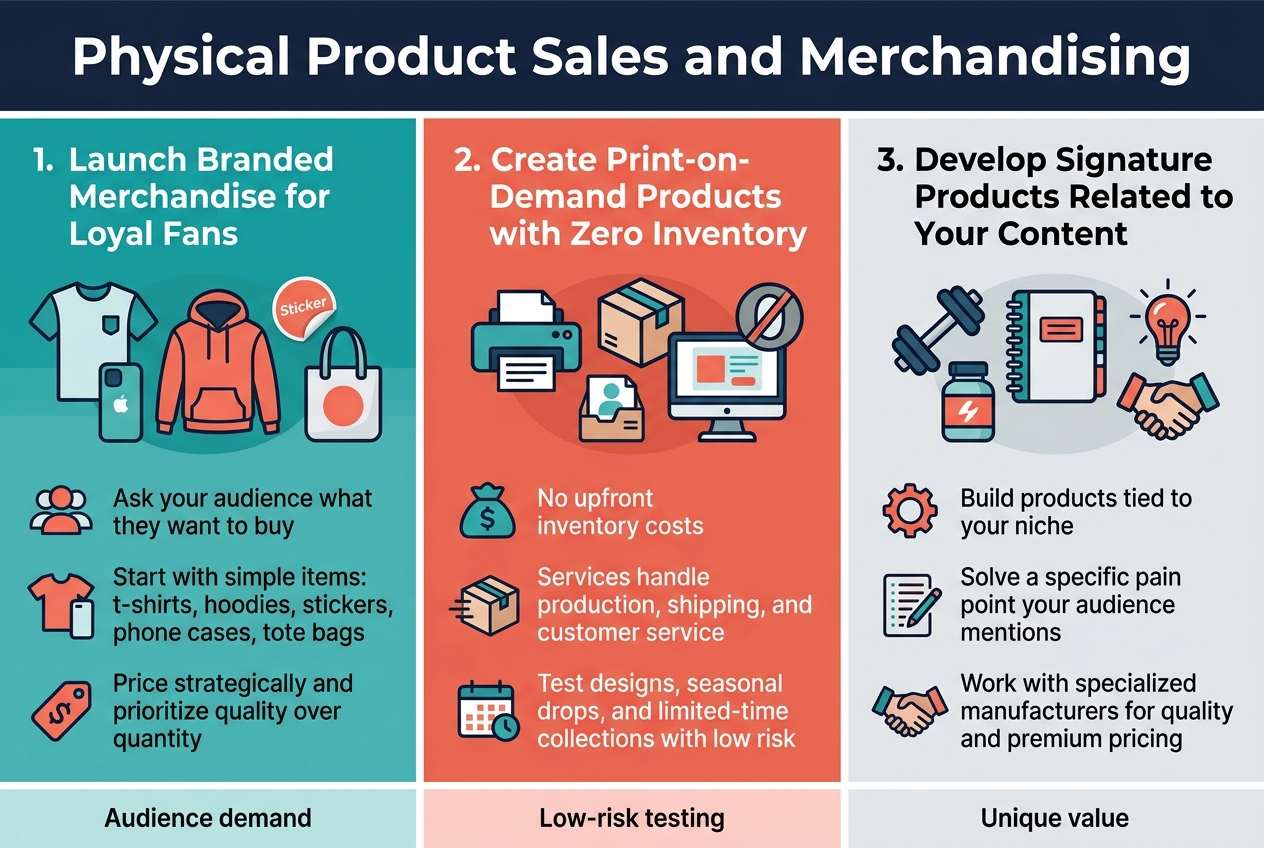
Your most dedicated followers want to show their support for your brand beyond just consuming your content. Branded merchandise transforms your audience from passive viewers into walking advertisements for your personal brand. Start with simple items that showcase your logo, catchphrase, or signature design elements.
The key to successful merchandise lies in understanding what your audience actually wants to buy and wear. Survey your community to discover their preferences – whether that’s sleek minimalist designs or bold statement pieces. Popular starter items include t-shirts, hoodies, stickers, phone cases, and tote bags because they’re versatile and have broad appeal.
Price your merchandise strategically by researching what similar creators charge and factoring in your production costs plus desired profit margins. Quality matters more than quantity when building your merchandise line – one well-made item that fans love beats ten cheap products that disappoint.
Print-on-demand eliminates the biggest barrier to selling physical products: upfront inventory costs. Services like Printful, Printify, and Teespring handle production, shipping, and customer service while you focus on creating designs and marketing.
This business model works particularly well for digital creators because you can test different designs without financial risk. Upload your artwork, set your prices, and promote the products to your audience. When someone places an order, the print-on-demand service creates and ships the item directly to your customer.
The profit margins on print-on-demand are typically lower than traditional retail, but the convenience and risk-free nature make it perfect for creators just starting with physical products. You can experiment with seasonal designs, limited-time collections, or event-specific merchandise without worrying about leftover inventory.
Creating products that directly connect to your content niche builds stronger brand recognition and customer loyalty. A fitness creator might develop workout equipment or nutritional supplements, while a productivity expert could create planners or organizational tools.
These signature products command higher prices because they offer unique value that generic merchandise cannot. Your expertise and personal brand become the differentiating factors that justify premium pricing. Customers buy these products not just for their functionality but for the connection to your knowledge and teaching.
Start by identifying pain points your audience frequently mentions in comments or messages. Your signature product should solve a specific problem your followers face. This approach ensures market demand exists before you invest time and money into product development.
Consider partnering with manufacturers who specialize in your product category rather than attempting to handle production yourself. This allows you to maintain quality standards while focusing on what you do best – creating content and building your audience.
Building multiple income streams as a digital creator isn’t just smart-it’s essential for long-term success. From sponsored content and brand partnerships to selling digital products, affiliate marketing, and subscription services, diversifying your revenue sources protects you from algorithm changes and platform shifts. Adding freelance consulting, platform-specific monetization, and physical merchandise creates a robust financial foundation that can weather any storm.
Start small and focus on one or two streams that align best with your current audience and skills. Once those are generating steady income, gradually add new revenue sources. Remember, the creators who thrive long-term are those who don’t put all their eggs in one basket. Your audience trusts you, your skills are valuable, and your creativity deserves to be rewarded through multiple channels. Take action today and begin building the diverse income portfolio that will fuel your creative freedom for years to come.
Ifeyinwa C. Ofulue is a writer, web developer, UX designer, digital product creator, and researcher focused on AI tools, automation, UX design, and online business systems. He is the author of How to Use Claude Code to Create Anything and several other digital guides on online income, AI tools, and building profitable digital products. He helps beginners learn how to create digital products, build profitable websites, and use modern AI tools to generate income online. Find his work at digitalprofit101.com.
Through this website, I share practical tutorials, step-by-step guides, and proven strategies on topics such as AI productivity tools, website monetization, digital marketing, and automation.
My mission is simple: to make online business and digital skills accessible to anyone willing to learn.
When I’m not researching new web designs, AI tools, or writing tutorials, I focus on building scalable online systems and testing new ways to help creators earn online.
👉 Learn more about Ifeyinwa on the About page.