Physical Address
304 North Cardinal St.
Dorchester Center, MA 02124
You can open a fully functional online store in 2026 without spending a single Naira upfront
Here is a truth that the expensive ‘business gurus’ do not want you to know: you do not need money to start an eCommerce business in 2026.
You do not need startup capital, a warehouse full of stock, a custom-built website, or a marketing budget. What you need is an internet connection, a few hours a week, and a willingness to follow a proven process. Everything else — the store, the products, the suppliers, the traffic — can be set up entirely for free.
This is not a theory or a ‘get rich quick’ fantasy. It is the reality of how thousands of beginners launch profitable online stores today, using zero-inventory business models and free tools that did not even exist a few years ago.
In this complete guide, you will learn exactly how to start an eCommerce store with no money in 2026 — step by step, from choosing your business model to making your first sale.
$4.3 Trillion — Projected global eCommerce sales in 2025, growing every year
₦0 — The amount you genuinely need to start, using the models in this guide
48–72 hrs — How fast you can have a live store ready to take orders
And if you want the complete operating manual for building a serious online store, the eCommerce Entrepreneur’s Playbook is available now — written for beginners by Ifeyinwa C. Ofulue.
Yes — and the reason is simple. The traditional barriers to starting a retail business have been completely dismantled by modern technology and new business models.
In the old world, opening a store meant renting premises, buying stock upfront, hiring staff, and hoping customers showed up. The financial risk was enormous. If your products did not sell, you were left with unsold inventory and unpaid bills.
In 2026, that entire model has been turned upside down. With zero-inventory models like dropshipping, print-on-demand, and digital products, you never buy stock before you sell it. You only pay your supplier after a customer has already paid you. The financial risk drops to almost nothing.
🌍 Especially powerful in Africa: For creators and entrepreneurs in Nigeria, Ghana, Kenya, and across Africa, zero-cost eCommerce removes the two biggest barriers — capital and logistics. You can sell digital products to a global audience, or run a print-on-demand brand without ever touching inventory.
Your business model determines everything — choose one that requires no upfront inventory
The foundation of a no-money eCommerce store is choosing a business model that does not require you to buy stock upfront. Here are the five proven zero-cost models, each with its own strengths.
With dropshipping, you list products in your store that are actually held by a third-party supplier. When a customer orders, you forward the order to your supplier, who ships the product directly to the customer. You never handle inventory, and you only pay the supplier after your customer has paid you. Your profit is the difference between your selling price and the supplier’s price.
Print-on-demand is a specialised form of dropshipping where you sell custom-designed products — t-shirts, mugs, hoodies, tote bags, wall art, phone cases. When an order comes in, a POD provider like Printful or Printify prints your design on the product and ships it under your brand. You design once; they handle everything else. Margins are often higher than standard dropshipping because custom products command premium prices.
Digital products — eBooks, templates, courses, printables, AI prompt packs — are the highest-margin eCommerce model of all. There is no physical product, no shipping, and no supplier. You create the product once and sell it unlimited times at nearly 100% profit. This is the ideal model for anyone with knowledge or a creative skill to share.
With affiliate marketing, you do not even need your own product. You promote other companies’ products through a unique link and earn a commission on every sale. There is zero product creation, zero inventory, and zero customer service. It is one of the fastest ways to start earning with absolutely no money.
Platforms like eBay, Facebook Marketplace, and TikTok Shop let you list products where buyer traffic already exists. You can start by selling items you already own, then move into dropshipping or sourcing low-cost products to flip. Many sellers use marketplaces to test demand and earn their first sales before building a dedicated store.
| Zero-Cost Model | How It Works | Upfront Cost | Best For |
| Dropshipping | Supplier ships directly to buyer | ₦0 inventory | Trending physical products |
| Print-on-Demand | Custom products made per order | ₦0 inventory | Designers, brand builders |
| Digital Products | Sell files & downloads | ₦0 | Knowledge & creative skills |
| Affiliate Marketing | Promote others, earn commission | ₦0 | Content creators, beginners |
| Marketplace Reselling | List & flip on existing platforms | ₦0 | Fast first sales, testing |
💡 Best model for absolute beginners If you have knowledge to share, start with digital products — they have the highest margins and no supplier complexity. If you want to sell physical products, start with print-on-demand, which lets you build a real brand with zero inventory risk.
The right niche is the difference between a store that sells and one that sits empty
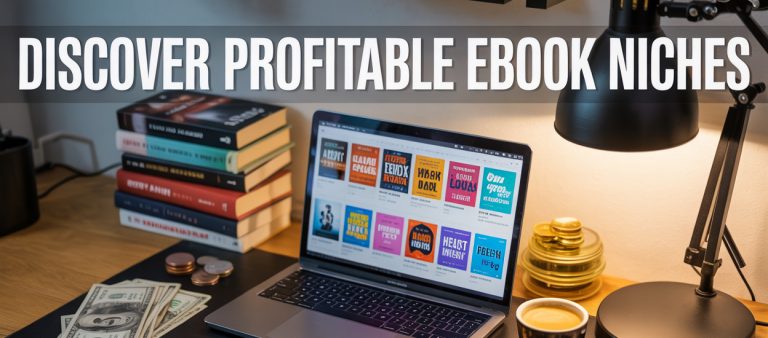
Your niche — the specific category and audience you serve — is the single biggest factor in whether your store succeeds. A great product in the wrong niche fails; an average product in a hot, underserved niche thrives.
The good news is that you can research profitable niches entirely for free, using tools that reveal exactly what people are searching for and buying right now.
For a deeper dive into validating and choosing your niche, visit DigitalProfit101.com for free guides and resources.
You can launch a complete, professional storefront without paying setup or hosting fees
With your model and niche chosen, it is time to build your storefront — without paying a Naira for hosting, themes, or setup. You have two main routes, and both are genuinely free to start.
Marketplaces already have millions of buyers searching for products. Listing on them means you tap into existing traffic without building anything from scratch.
If you want a branded store you fully control, several platforms let you start free or on a free trial:
🛒 Start on a marketplace, graduate to your own store: The smartest no-money strategy is to validate demand on a free marketplace first, make your initial sales, then reinvest those profits into building your own branded store. Let the business fund its own growth.
💡 Use free design tools. Create your logo, product images, and store banners for free using Canva. A clean, consistent visual brand makes a zero-cost store look completely professional — and builds the buyer trust that drives sales.
The right supplier handles inventory, printing, and shipping — so you never pay until you sell
If you are selling physical products through dropshipping or print-on-demand, your supplier is your silent business partner. They hold the inventory, fulfil the orders, and ship to your customers — so you never spend money on stock you have not sold.
📦 How the money flows: Customer pays you ₦15,000 for a product → you pay your supplier ₦9,000 to fulfil it → you keep ₦6,000 profit. You never spend your own money — the customer’s payment funds the order. This is why zero-inventory models carry almost no financial risk.
Organic marketing brings buyers to your store without spending a single Naira on ads
Your store is live, and your products are listed. Now comes the most important skill in all of e-commerce: getting people to actually visit your store. The good news is that in 2026, free organic traffic is more powerful than ever — if you know how to use it.
Short-form video is the single most powerful free traffic source in 2026. A single product video can reach hundreds of thousands of people with zero ad spend. Show your product in action, demonstrate the problem it solves, or jump on trending sounds and formats. Post consistently — volume and consistency beat perfection.
Pinterest is a visual search engine where people actively look for products to buy. Pin your products with keyword-rich descriptions, and your pins can drive traffic for months or years. It is especially powerful for fashion, home, beauty, and lifestyle niches.
Use Instagram to showcase your products, share behind-the-scenes content, and build a community. Combine feed posts, Stories, and Reels. Put your store link in your bio and direct followers there with every post.
Writing helpful blog content that targets what your buyers search for brings free organic traffic from Google — for months and years after you publish. A store selling fitness gear could write ‘best home workout equipment for small apartments’ and capture buyers searching that exact phrase.
Build an email list from day one by offering a discount or free resource in exchange for sign-ups. Email is the highest-converting channel in eCommerce because your subscribers have already shown interest. Tools like Mailchimp and Brevo are free to start.
In Nigeria and across Africa, WhatsApp is one of the highest-converting sales channels. Use your status, broadcast lists, and groups to share products, testimonials, and offers with people who already know and trust you.
💡 Master one channel first Do not spread yourself thin across six platforms at once. Choose the one channel where your target audience spends the most time, master it, make consistent sales, then expand. Focus beats scatter every time.
Reinvest your early profits to turn a zero-cost side hustle into a real business
Your first sale is proof that the system works. Now your job is to turn that proof into momentum — building from one sale to a consistent, growing income. The beauty of starting with no money is that you can fund your growth entirely from profits, never from your own pocket.
It is far easier and cheaper to sell to an existing customer than to find a new one. Follow up after every sale, ask for reviews, offer loyalty discounts, and keep your buyers engaged through email and social media. Repeat customers are the foundation of a sustainable eCommerce business.
🚀 The compounding effect: Your first month might bring a handful of sales. But each sale builds reviews, each review builds trust, each piece of content builds reach, and each email subscriber builds your owned audience. Six months of consistent effort compounds into something a single burst of activity never could.
The eCommerce Entrepreneur’s Playbook — your full operating manual at selar.com
This guide gives you the roadmap. The eCommerce Entrepreneur’s Playbook gives you the complete operating manual — detailed walkthroughs for every business model, supplier negotiation scripts, product research frameworks, store setup checklists, traffic strategies, and a step-by-step launch plan that takes you from zero to your first consistent eCommerce income.
Written by Ifeyinwa C. Ofulue and published through DigitalProfit101, it is the practical, no-fluff blueprint every aspiring online store owner needs before they start.
Pick up your copy today: https://selar.com/E-commercentrepreneursplaybook
More free resources: https://digitalprofit101.com
🛒 Ready to Build Your Store the Right Way?
The eCommerce Entrepreneur’s Playbook — your complete step-by-step guide to launching, running, and scaling a profitable online store from zero. By Ifeyinwa C. Ofulue.
👉 Get your copy now: https://selar.com/E-commercentrepreneursplaybook
📚 Free guides & resources: https://digitalprofit101.com
The number one killer of zero-budget stores is picking products on a hunch. Always validate demand using free research tools before listing anything. Picking random products wastes time even when it costs no money.
A store for ‘everyone’ appeals to no one. Get specific about your target customer. A focused store serving a defined audience will always outperform a generic store trying to please all.
Most zero-budget stores fail not because of lack of traffic, but because visitors do not feel confident enough to buy. Clear product photos, honest descriptions, visible reviews, and professional branding build the trust that converts browsers into buyers.
Starting for free means growth is slower because you are relying on organic traffic rather than paid ads. Tasks take longer because you are doing everything manually. This is the trade-off — and it is completely fine. Accept the slower start and stay consistent.
The first few weeks of any zero-cost store are the hardest and slowest. The sellers who succeed are simply the ones who kept publishing products, kept creating content, and kept refining their approach long enough for the momentum to build.
The biggest myth in online business is that you need money to make money. You do not. You need a proven model, the right free tools, and the willingness to start before you feel completely ready.
Everything you need to open an eCommerce store — the storefront, the products, the suppliers, the traffic — is available to you right now, for free. The only missing ingredient is your decision to begin.
Choose your model today. Research your niche this week. List your first product before the month ends. Your store can be open for business sooner than you think.
Two resources to start your journey right now:
🛒 The complete playbook: https://selar.com/E-commercentrepreneursplaybook
📚 Free guides and strategies: https://digitalprofit101.com
The best time to open your store was yesterday. The second best time is today.
🛒 Ready to Build Your Store the Right Way?
The eCommerce Entrepreneur’s Playbook — your complete step-by-step guide to launching, running, and scaling a profitable online store from zero. By Ifeyinwa C. Ofulue.
👉 Get your copy now: https://selar.com/E-commercentrepreneursplaybook
📚 Free guides & resources: https://digitalprofit101.com
Yes. Using zero-inventory models like dropshipping, print-on-demand, digital products, and affiliate marketing, you can launch a store without buying stock or paying for hosting. Free marketplaces and free-trial platforms let you build your storefront at no cost, and organic social media drives traffic for free.
For physical products, print-on-demand is ideal because it lets you build a real brand with zero inventory risk. For the highest margins and simplest setup, digital products are best — you create once and sell unlimited times at nearly 100% profit. Affiliate marketing is the fastest way to earn with no product at all.
With consistent effort — listing products, creating content, and promoting through free channels — most beginners see their first sale within two to six weeks. Marketplaces like TikTok Shop and eBay, where buyer traffic already exists, can produce sales faster than a brand-new standalone store.
No. Modern platforms like Shopify, Selar, Wix, and TikTok Shop are designed for complete beginners with no coding knowledge. If you can use social media, you can set up and run an online store.
Platforms like Selar support local payment methods (Paystack, Flutterwave, bank transfer) and pay out directly to your Nigerian bank account. For physical product stores, Shopify and marketplaces support various payment gateways. You can also accept international payments via PayPal and Stripe.
Visit DigitalProfit101.com for free guides and tutorials, and get the complete step-by-step blueprint in the eCommerce Entrepreneur’s Playbook at https://selar.com/E-commercentrepreneursplaybook.
Published on DigitalProfit101.com | Category: eCommerce Solutions